
A Legacy Etched in Time
From ancient royal patronage to the preservation of the sacred Tripitaka, the story of Atupothdeniya is the story of Sri Lankan Buddhism itself.
The Walagamba Era
According to folklore, the temple's existence dates back to the reign of King Walagamba. It is believed that this sacred ground played a crucial role during one of the most pivotal moments in Buddhist history.
The Talipot Palm trees in this area are said to have supplied the Ola leaves used to document the Tripitaka in Pali at Matale Alu Viharaya. This connection places Atupothdeniya at the heart of preserving the Dhamma for future generations.
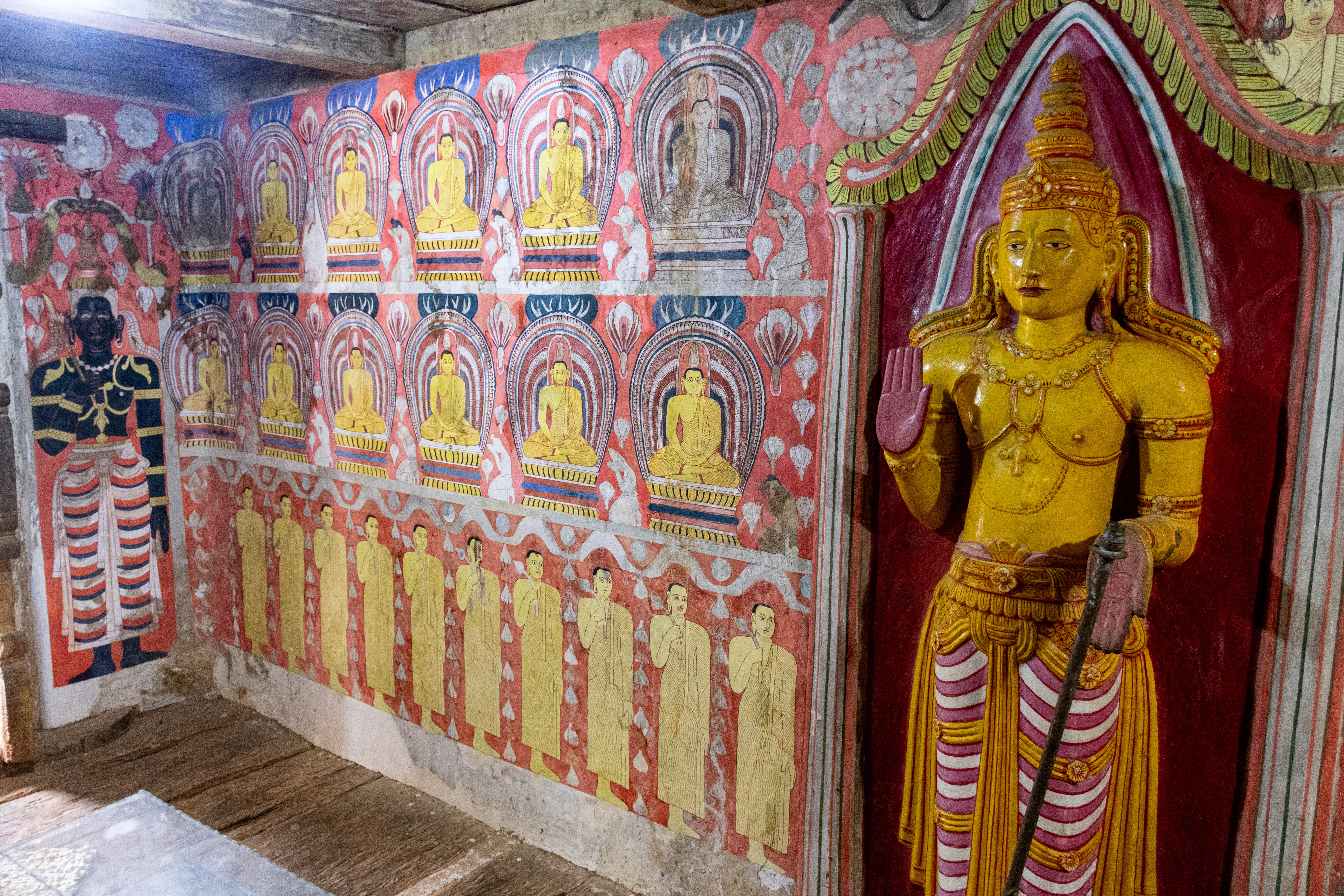
Ancient art preserving the stories of the past.
The "Pothgul" Legacy
During the devastating Baminitiya Famine in the reign of King Walagamba, the temple served a critical purpose. It operated as a library ("Pothgul") for Buddhist manuscripts, safeguarding knowledge when the country was in peril. This noble service is forever immortalized in the temple's name: Atupothdeniya Purana Pothgul Viharaya.
The Dambadeniya Connection
The temple found renewed patronage during the Dambadeniya Kingdom. Belief holds that it was further developed by a regional ruler known as "Rate Rala" during the reign of King Parakramabahu II. This period cemented its status as a significant religious center in the region.
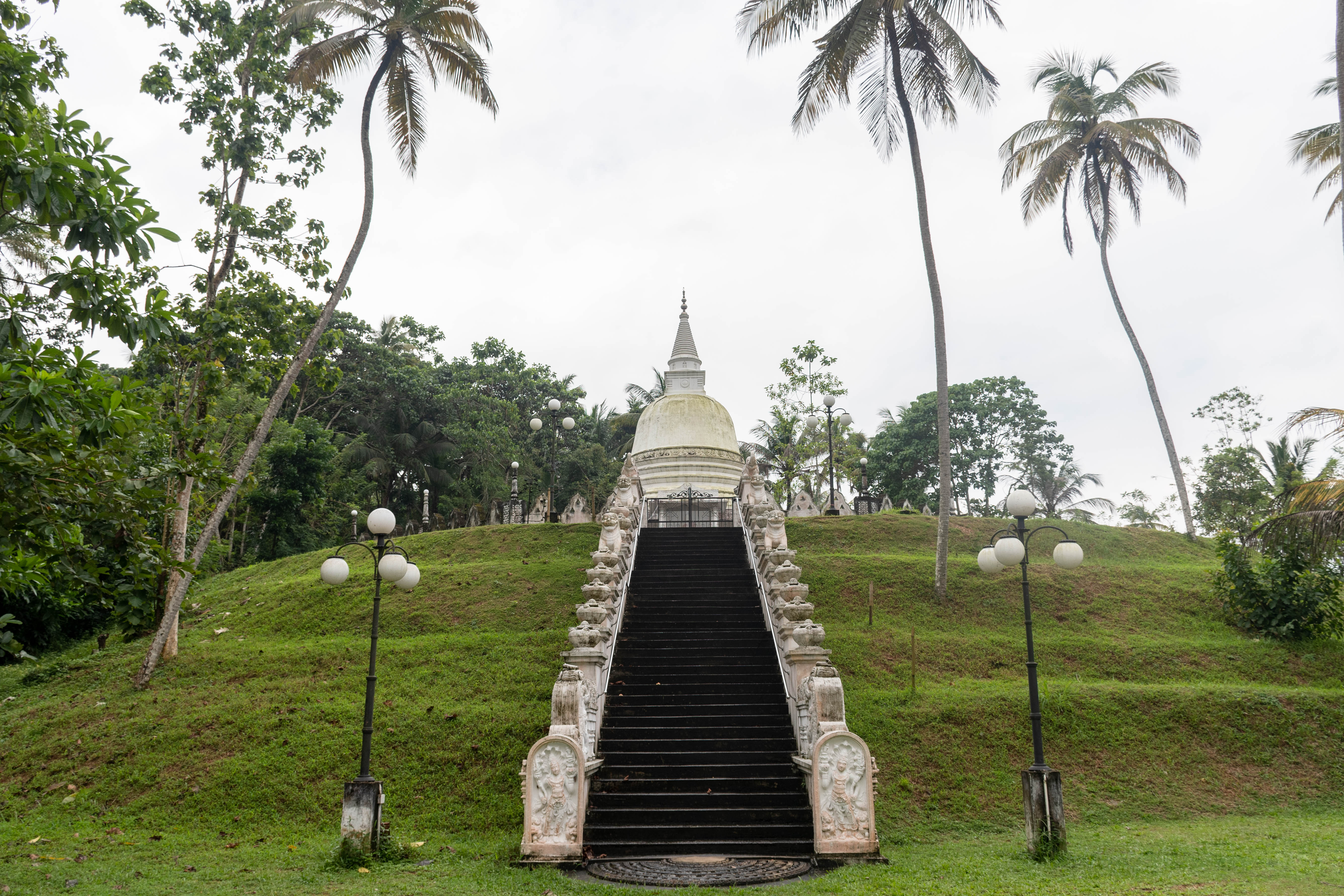
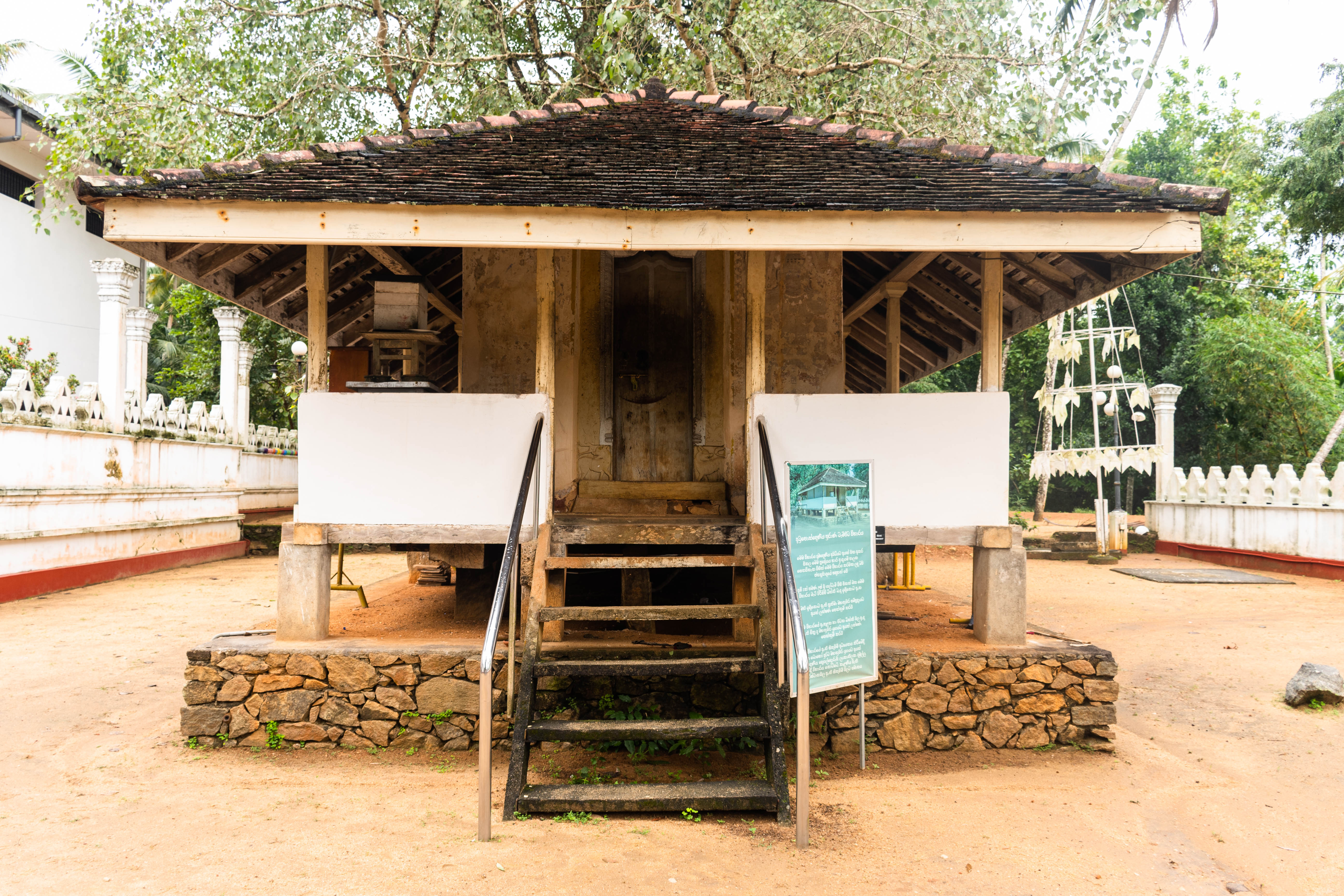
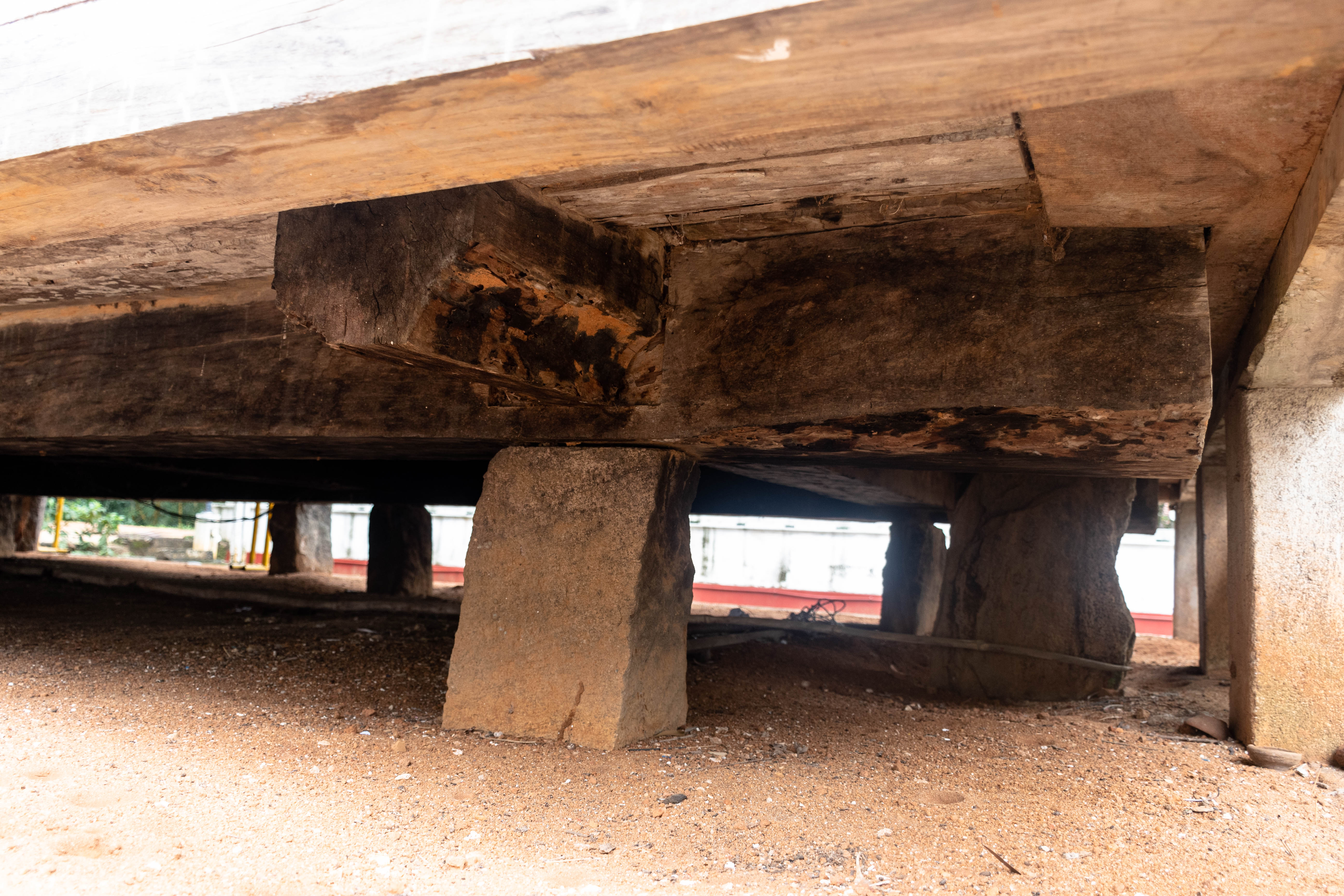
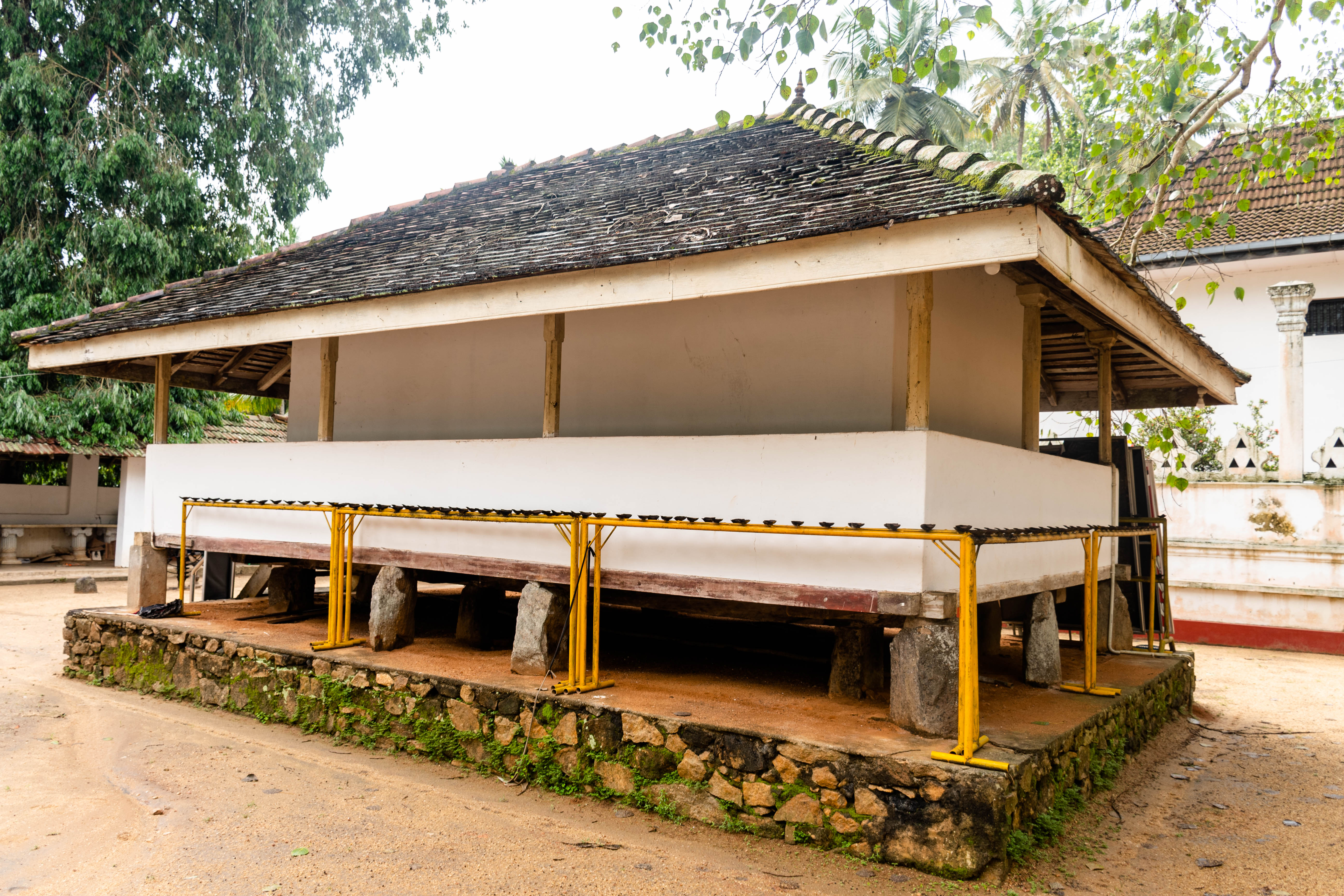
Witness History Firsthand
The Tampita Viharaya and its ancient statues are open for viewing.
Plan Your Visit